The short answer
A house that needs restumping is not a house to walk away from. It is a house with a known, fixable, quotable problem. On the Peninsula it is also a common one, because so much of the stock is post-war holiday houses and weatherboards that nobody lives in full time. The 2021 census counted 93,502 private dwellings in the Shire and 24,525 of them unoccupied on census night, 27.5 per cent; 85.4 per cent of dwellings are separate houses and the median age is 48. A house that is visited a few weekends a year is a house whose stumps can have been going for a decade without a door ever being noticed. The question is not whether to buy it but what the fix costs, whether the frame above the stumps is sound, and who pays.
What the building report is telling you
Pre-purchase inspectors write the same handful of subfloor findings, and they mean different things for the offer.
| What the report says | What it means for the offer |
|---|---|
| Stumps show evidence of deterioration or decay | Some stumps are rotting at the ground line. Get a restumper under the house to count them. Could be a partial job, could be a full one. |
| Stumps leaning or displaced | Common on dune sand, where a stump moves before it rots. Count them, and ask whether the ground beside the house has been dug or washed. |
| Excessive packing noted between stumps and bearers | The house has been relevelled before, cheaply. The stumps under the packing need probing. |
| Floors out of level, doors out of square | The house has moved. Stumps, bearers or settlement; only the subfloor inspection says which. |
| Moisture or ponding noted in the subfloor | Drainage is part of the cause and part of the fix. Budget for vents and regrading as well as stumps. |
| Evidence of termite activity in subfloor timbers | The entire Shire is designated subject to termite infestation. A separate pest inspection and a restumper who checks the bearers, not only the stumps. |
| Bearers and joists show decay at wet areas | The bathroom and laundry corner. The expensive line, because flooring may have to come up. |
| Cracking to brickwork consistent with footing movement | If the house is brick veneer on a slab or strip footing this is underpinning on an engineer's design, not stumps. |
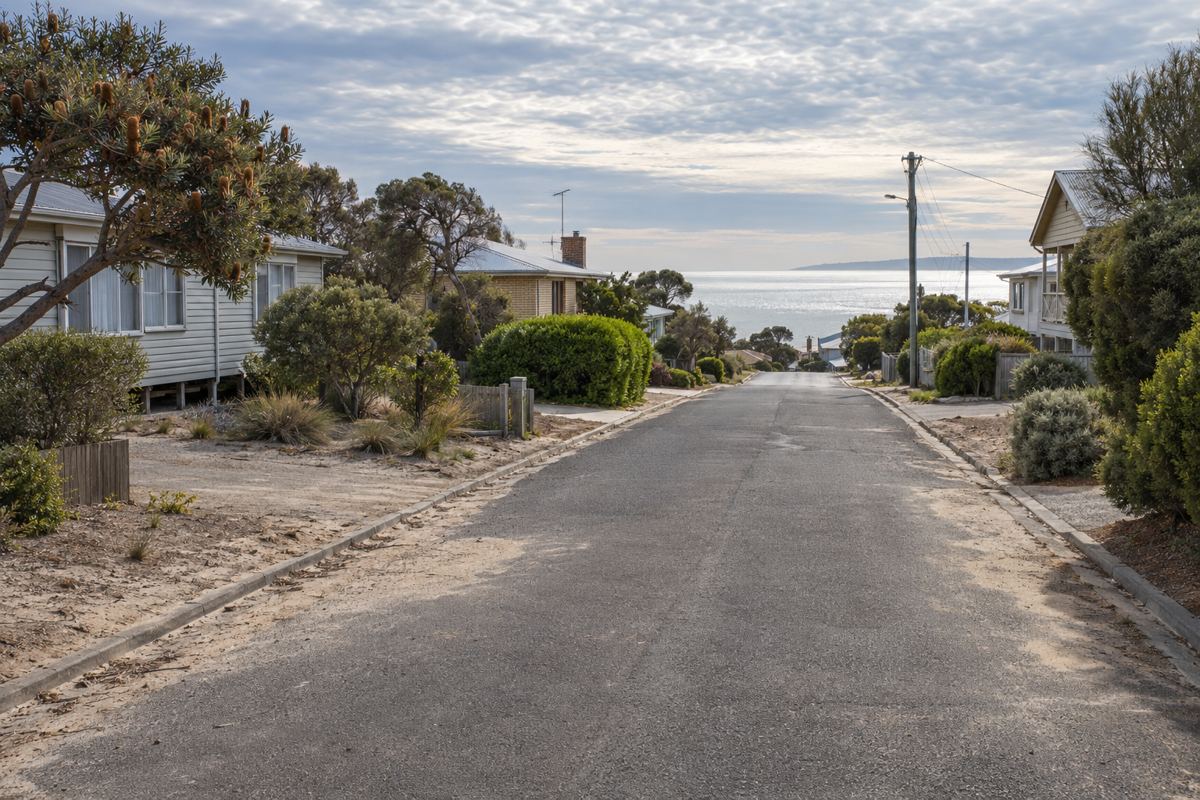
Why holiday houses are different
The Shire's Open Space Strategy puts the empty-on-census-night figure by area: 63.9 per cent in Portsea, Sorrento and Blairgowrie; 50.4 per cent in Rye, Tootgarook and St Andrews Beach; 45.6 per cent in Flinders, Shoreham and Point Leo; 34.9 per cent in Dromana and Safety Beach; 29.3 per cent in Rosebud and Capel Sound. The Shire counts 7.9 million visitors a year and a summer peak population of more than 250,000. Three things follow for a buyer.
Nobody has been watching. A permanent resident notices a door in the first winter it sticks. An absent owner notices it when the agent rings about the back step. So the problem on a holiday house is often further along than the same problem in a Mornington or Hastings street, and the bearers are more likely to be involved.
The vendor may not know. Ask, but do not take a shrug as an answer either way. The vendor's own building report, if there is one, says who did it and whether they went under the house.
The house has been shut up. Closed vents, blocked subfloor hatches and garden beds grown up against the base wall keep a subfloor damp through the winter. A house that smells musty when the agent opens the door is telling you something about the subfloor.
There is a fourth, which cuts the other way. A holiday house is usually empty at settlement, which makes it the easiest kind of house to restump. No furniture to move, nobody living around the jacks, and a block that can be opened up for a week without disrupting anyone. Buyers who settle in winter and book the work for spring, before the house is let or used over summer, get the job done at the best time of year on the Peninsula and move into a house that sits level.
What to do between the report and settlement
- Get a restumper under the house. A building inspector flags; a restumper counts. An hour under the floor with a probe and a level produces a number of stumps, a view on the bearers, and a written quote. For a holiday house, the agent holds the key and can usually arrange it.
- Get a pest inspection if the report hints at termites. A separate licensed inspector, and a treatment and barrier quote if anything is found.
- Buy the property information certificate. Mornington Peninsula Shire issues a property information certificate under regulation 51(2) for $53.62 in 2025-26. It states in writing whether the lot is designated flood prone, which matters because a large percentage of the Shire is, and whether it is in the termite designation, which the whole Shire is. Any future building work on flood prone land needs report and consent under regulations 153 and 154.
- Check the overlays. A house in one of the Sorrento or Portsea heritage precincts, or in one of the areas covered by the heritage reviews, means like-for-like restumping is arguably maintenance but any visible change needs the Shire's heritage team first. A sloping block at McCrae, Mount Martha, Mount Eliza, Rye, Blairgowrie, Red Hill or Portsea may still be in the EMO7 landslide overlay after Amendment C314morn, and an underpinning job there brings in an engineer and the planner. The overlays page covers both.
- Ask for the old permits. If the vendor says the house was restumped, ask for the building permit, the final certificate and the builder's name. A restump done without a permit, or by an unregistered builder, is a restump you cannot rely on and may have to have looked at again.
- Check what the house sits on. If the quote says underpinning rather than stumps, that is an engineer's design and a different budget. A brick veneer on a slab at Mount Eliza with a stepped crack is a different purchase from a weatherboard on stumps at Rye with a sloping hallway, even if the report uses the same word, movement, for both.
- Look at the ground around the house. Garden beds built up against the base wall, a downpipe that discharges at a corner, paving that falls toward the house rather than away from it. None of it is in the report and all of it is why the stumps went. It is also the cheapest part of the fix.
- Price it into the offer, or make it a condition. A written quote is a number the vendor can see. Buyers commonly either reduce the offer by the quote or make the contract subject to the work; a conveyancer says which suits the contract.
- Book it for after settlement, before summer. Restumping is easier in an empty house, and an empty holiday house in spring is the ideal. Doing it before the January crowd arrives also keeps the street and the side path clear for the crew.
When it is the right house anyway
Almost always, if the frame is sound. A post-war weatherboard or fibro holiday house with rotten stumps often has a frame as straight as the day it went up. New concrete or steel stumps, new bearers where needed, vents and drainage, and the house is on a better footing than it has been for decades. What makes it the wrong house is a frame that has gone with the stumps, a slab home where the slab itself has failed, or a block that cannot be drained. The inspection finds all three. The signs page helps you look at an open for inspection with a sharper eye, and the cost guide says what the quote should name.
Selling a holiday house that needs stumps
The same logic in reverse. A vendor who gets a subfloor inspection and a quote before listing takes the surprise out of the buyer's report, and either does the work on an empty house before the campaign or prices it openly. Either beats a buyer's inspector finding it in week three. Having the old building permit on file, and a registered builder's name on the paperwork, is worth more at sale time than most owners expect. If the work is done before listing, keep the permit, the final certificate, the contract and the Home Warranty notice together, because the first thing a careful buyer's conveyancer asks for is exactly that bundle. A vendor who says the house was restumped but cannot say by whom, or when, has handed the buyer a reason to discount.
What a building report cannot do
It cannot count the stumps that have failed, because the inspector probes a sample and writes a finding, not a quote. It cannot see the bearers above the stumps where the base boards are on. It cannot tell you whether the problem is still active, which a leaking shower, a blocked downpipe or a garden bed against the wall would make it. It cannot tell you whether the lot is flood prone or in an overlay; the property information certificate and the Shire's planning map do that. And it cannot tell you what the fix costs, which is why the restumper's inspection comes next.
Check the current rules before you rely on this
This page describes what a pre-purchase building report on a Mornington Peninsula holiday house usually means for the subfloor and what to check before settlement. It describes the rules in general terms as they stood in October 2026. Standards, forms, thresholds and fines change.
The authoritative sources are ABS 2021 Census QuickStats, Mornington Peninsula (S), Mornington Peninsula Shire open space strategy, housing and occupancy, Mornington Peninsula Shire, Office of the Municipal Building Surveyor fees and charges 2025-26, Mornington Peninsula Shire, building services and the statutory building team, Mornington Peninsula Shire, Heritage Overlay and planning permits and Mornington Peninsula Shire, landslide susceptibility and the Erosion Management Overlay. Where anything here differs from those sources, they are right and we are not.
We are not building surveyors, engineers, planners or lawyers. For what applies to your house, ask a registered building surveyor or ring Mornington Peninsula Shire on 1300 850 600.
Accurate at the time of writing, October 2026. Always check the source before relying on it.